
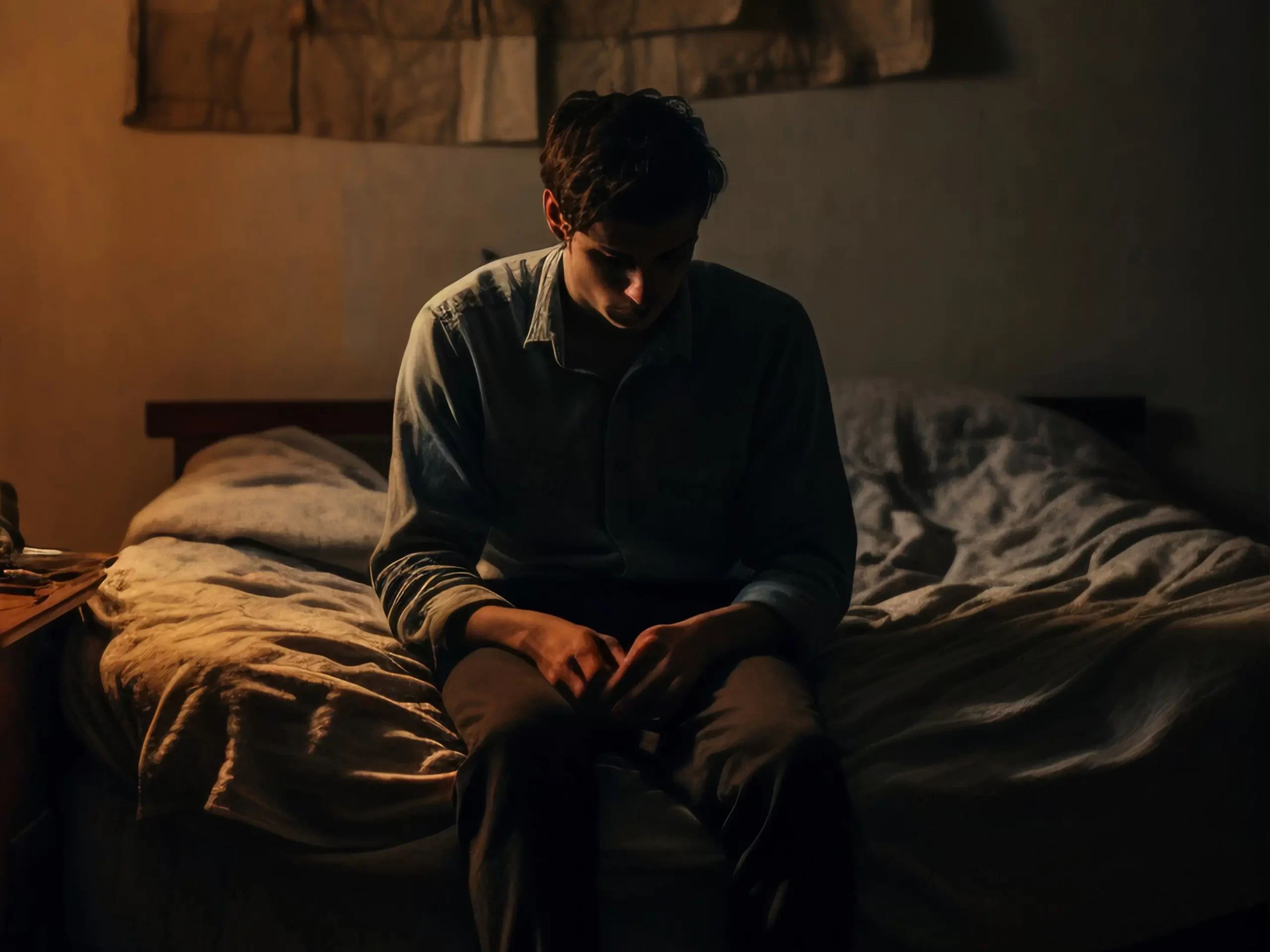
‘Silence is golden’ is not always a go-to idiom in any situation in life. When it comes to sharing the emotional turmoil one goes through, this should not be an option at all. But still, today we live in a society that follows stereotypical modus operandi. And we seem so unaware of the damage it causes to us. That’s when the silent pain that we endure, which we term as strength, becomes the chain of bondage from which we constantly seek respite.
A heartbreaking fact is that the analysis made by the IIPS (International Institute for Population Sciences) has revealed that the male suicide rates in India are 2.5 times higher than those of the female population. According to data from the National Crime Records Bureau (NCRB), in 2021, men accounted for 72.5% of all suicide cases in India. (1)
This highlights the vulnerability of men to societal and economic pressures. This brutal eye-opener does seek the urgent need to address the mental health challenges that males face in this so-called male-dominated world.
Suicide is the final point of unexpressed pain and the final straw of the hope of being noticed that is not addressed.
Right from childhood, men are trained and conditioned to equate their emotional control with strength. Vulnerability is associated with inadequacy. So instead of allowing them to express their emotions, they are taught to curb them. Over time, their sadness turns to distress, which doesn’t disappear but just keeps increasing like a pile of frustration that is pushed into the attic of the mind. It surfaces first as irritability, withdrawal, risk-taking, emotional numbness or in its most severe form, the decision to end one’s life!
The triggering factors could vary from loss of a loved one, unemployment, or financial burden. The list can be endless, but that’s not the area of concern. What is more bothersome is that this is not an act of cowardice or weakness. It is often the cumulative weight of unprocessed shame, failure, loneliness and perceived loss of role or identity.
If we need to address this issue, then it has to begin with the need to address mental health challenges, societal pressures, and the stigma surrounding men’s emotional well-being. Prevention cannot begin at the point of crisis. It begins with normalising emotional expression in men – at homes, workplaces and relationships. The gender stereotype has to change. Every human being needs to know that emotional pain is a natural phenomenon, and it needs to be addressed rather than kept under wraps. This must begin from childhood. Vulnerability, which is often seen as a weakness, needs to be understood in the right context. Accepting vulnerability and becoming more resilient is the need of the hour.
Seeking help for mental health needs to be made more available and acceptable, rather than a last resort for a total burnout in a person. It is a responsible choice that needs to be spoken about assertively. It is not a stigma and must not be treated as one.
Communication in a safe space needs to be adhered to. Each of us sees the situation differently. But do we really give the other person the benefit of the doubt and help resolve the issue?
Let's work on this cause and make society more humane. We can do this by:
Remember, timely support can prevent progression from distress to despair. If we can together save one life, that’s the greatest gift we can give back to the society we live in. Encourage your male counterparts to live less burdensome lives by being able to share their vulnerabilities.
Reference-
1.Entertainment Desk. 2025 Report: Alarming Rise in Male Suicide Rates in India [Internet]. Peddler Media. 2025 [cited 2026 Mar 1]. Available from: https://peddlermedia.in/male-suicide-rates-in-india/
© Soul Compass – Powered by Kefitup